


Self-Assessment Checklist
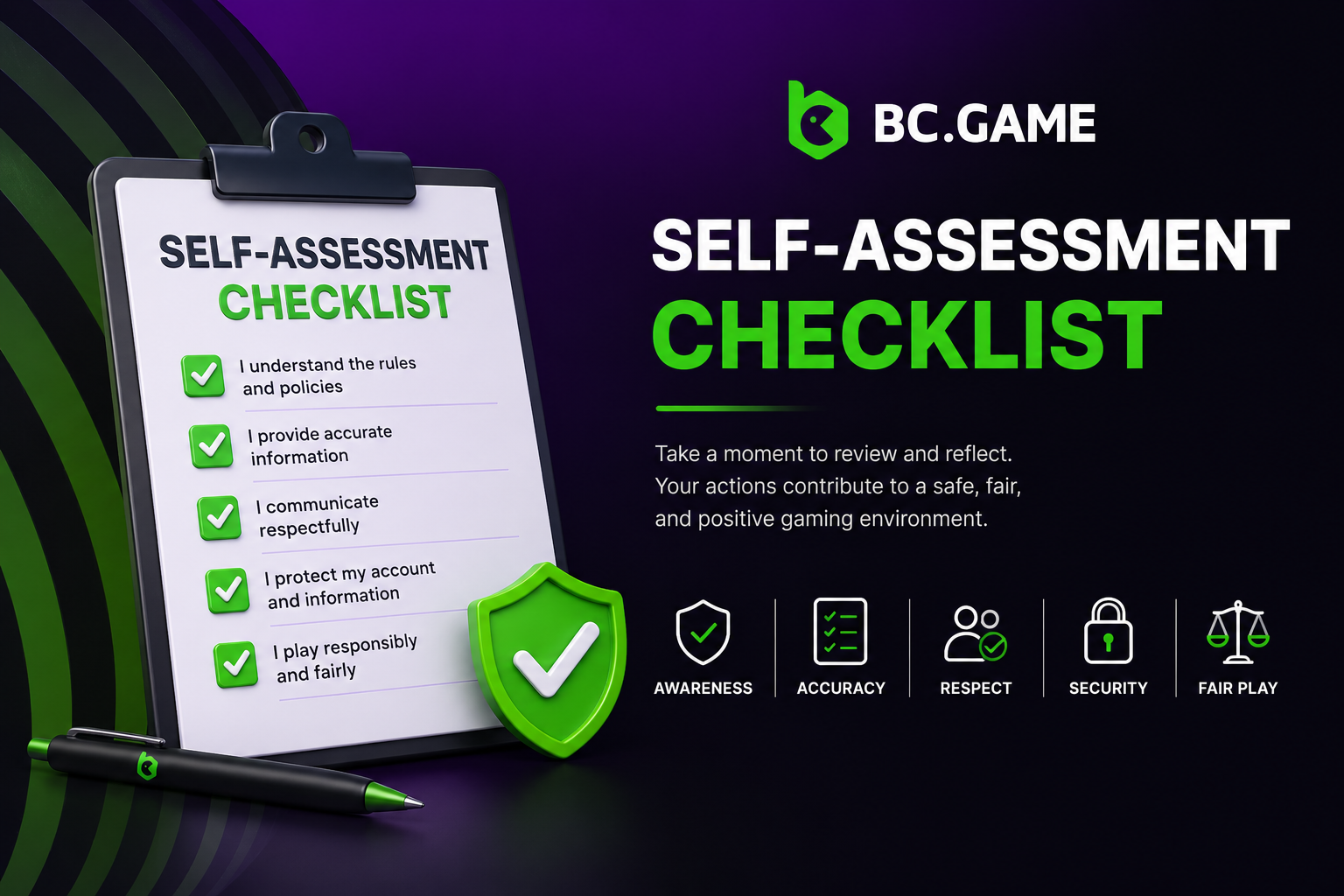
Run through these statements honestly. Not a diagnosis — a mirror.
- I have spent more money on gambling than I originally planned in the last month.
- I have tried to win back money I lost by placing more bets.
- I have felt anxious, irritable or restless when not gambling or when trying to stop.
- I have hidden gambling activity or spending from people close to me.
- I have borrowed money or used savings to fund gambling.
- I have continued gambling after reaching a self-imposed limit.
- I have neglected responsibilities — work, family, health — because of time spent gambling.
- I have felt that I need to increase bet sizes to feel the same level of engagement.
Three or more matches? That is a signal worth taking seriously. The sections below explain what to do about it.
| Statements That Apply | What It May Indicate |
| 0–1 | Low current risk — maintain awareness |
| 2–3 | Emerging patterns — review your limits and behaviour |
| 4–5 | Elevated risk — consider a pause and reassess your approach |
| 6+ | Significant concern — stop playing and seek support |
Behavioral Risk Patterns
Problem gambling builds through patterns that feel manageable at first and become destructive gradually.
Chasing losses. You lost money, so you increase the next bet to recover it. The recovery bet also loses. The hole gets deeper, the bets get bigger, and the spiral accelerates. This is the single most common path from casual play to financial damage.
Escalating bet sizes. The same ₹100 bet that felt exciting two months ago now feels flat. So you move to ₹500, then ₹1,000. The engagement comes from the risk level, not the game — and the risk level keeps climbing to maintain the same feeling.
Emotional betting. Playing when angry, stressed, bored, lonely or after drinking. Decisions made in these states are consistently worse than decisions made while calm and alert. If you notice a pattern of gambling to manage emotions rather than for entertainment, that pattern needs attention.
Time distortion. Sessions that were supposed to last thirty minutes stretch to three hours. Fast-round games like Crash, Dice and Limbo accelerate this because dozens of bets happen before you check the clock.
Reset and Recovery Steps
If you recognise these patterns, here is a practical sequence.
- Stop the current session. Close the app or browser tab. Not after the next round — now.
- Step away from the device. Physical distance from the screen breaks the loop. Go to a different room, take a walk, do something unrelated.
- Check your financial position. Open your bank app or transaction history. Look at what you have actually spent — not what you think you spent.
- Set a cooling-off period. Decide on a minimum break — 24 hours, a week, a month. The length matters less than actually following through.
- Review and reset your limits. Before returning to any platform, set new deposit limits, loss limits and session time limits based on what you can genuinely afford, not what you want to afford.
- Do not return under stress. If the reason you want to play again is frustration about losses, boredom or emotional pressure — the break is not over yet.
Personal Budget Framework
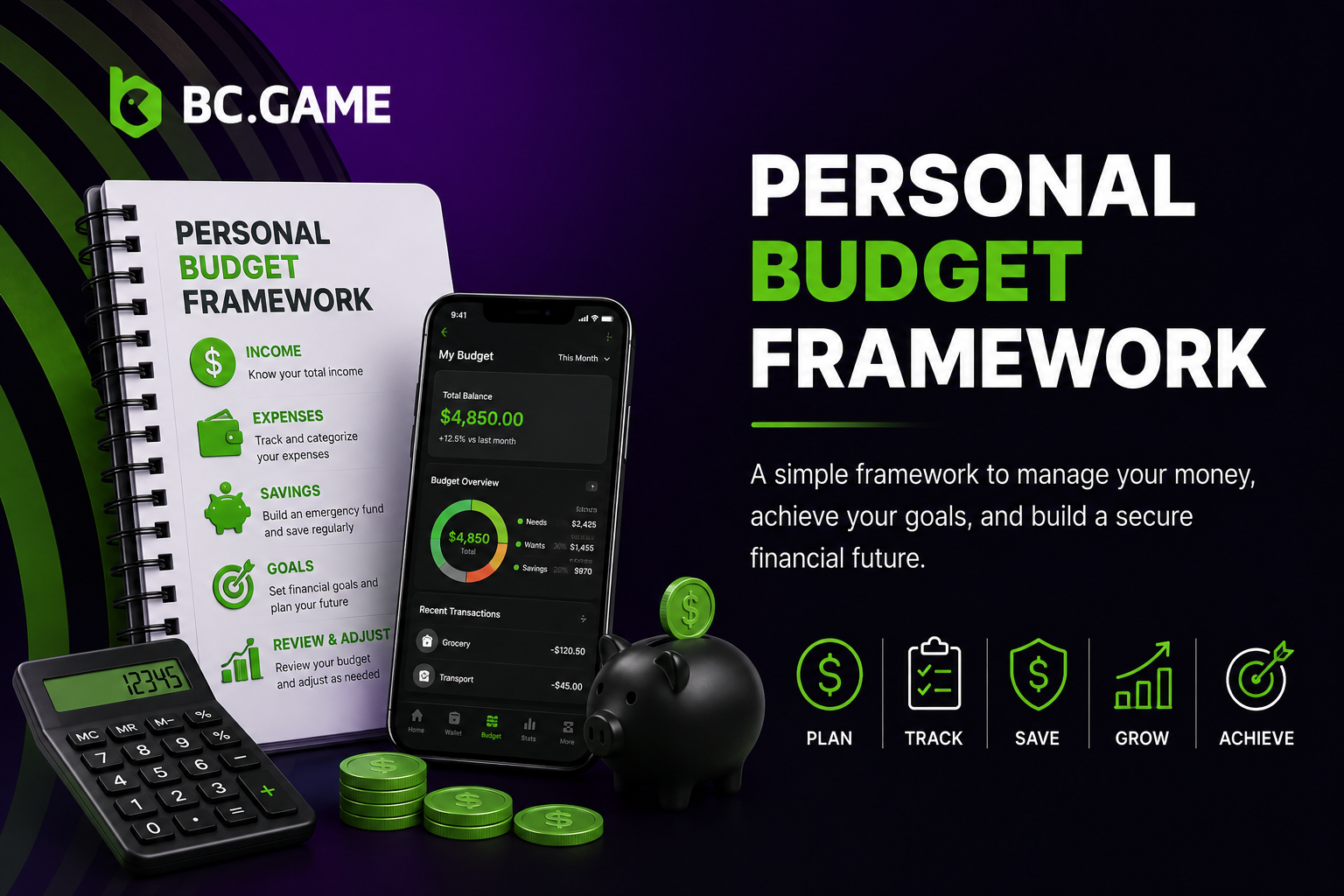
Gambling should only use money explicitly set aside for entertainment — money you can lose entirely without affecting essentials.
| Budget Category | Priority | Use for Gambling? |
| Rent, utilities, food | Essential — non-negotiable | Never |
| Loan payments, EMIs | Obligation — fixed schedule | Never |
| Savings and emergency fund | Financial safety net | Never |
| Education, healthcare | Personal development and wellbeing | Never |
| Discretionary entertainment | Optional — after all essentials covered | Only from this category |
How to set a gambling budget:
- Calculate your monthly income after taxes.
- Subtract all essential expenses, obligations and savings contributions.
- From the remaining discretionary amount, allocate a fixed percentage — and treat that as the absolute ceiling.
- Never borrow to gamble. Never use credit cards for deposits. Never dip into next month’s budget because this month’s allocation ran out.
Once the allocated amount is gone, the entertainment is over.
Limit Tools Overview
Some gaming platforms offer built-in tools to help users manage their play. These may include:
- Deposit limits — caps on how much you can add to your account per day, week or month.
- Loss limits — maximum net loss allowed over a defined period.
- Session time limits — alerts or automatic logouts after a set duration.
- Cooling-off periods — voluntary temporary account suspension.
- Self-exclusion — longer-term or permanent account restriction.
Availability on BC.Game depends on current features and region. Check account settings or responsible gaming section after login.
Warning Signs
These are the signals that gambling has moved from entertainment to problem — listed plainly, without euphemism.
- Your bet sizes have increased significantly over time without a corresponding increase in your entertainment budget.
- You hide gambling spending from your partner, family or friends.
- You feel stressed, anxious or guilty about gambling — during or after sessions.
- You have missed work, social commitments or family obligations because of gambling.
- You think about gambling frequently when you are not playing.
- You have used money meant for essentials — rent, food, bills — to fund bets.
- You feel unable to stop even when you want to.
- You have lied about how much time or money you spend on gambling.
Any single sign from this list is enough to pause and reassess. Multiple signs together are not a coincidence — they are a pattern that requires action, not rationalisation.
Support Recommendation
If gambling is affecting your finances, relationships, mental health, sleep, work performance or daily functioning — the most important step is the simplest: talk to someone outside the gambling environment. A trusted friend, family member, financial adviser or dedicated support service can provide perspective that is impossible to access while inside the cycle.
Support services in India are typically confidential and available at no cost. Search for gambling support services in your area for current options. Not ready to talk? Start with the reset steps above. Stop, step away, check finances, set a break. The earlier you interrupt the pattern, the less damage accumulates.